
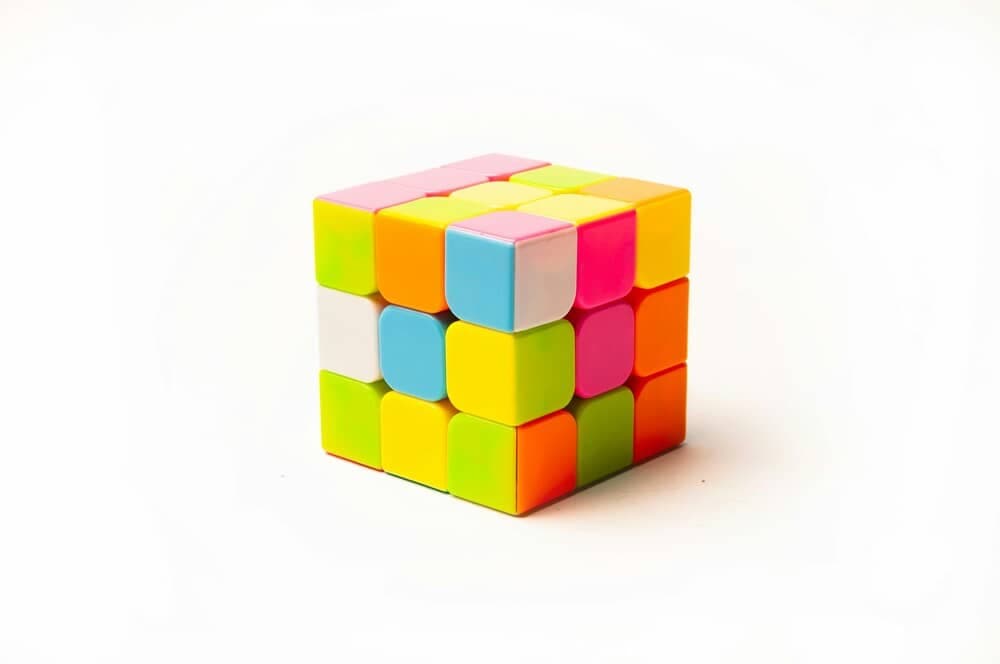
Color is among the most powerful branding tools, capable of evoking emotions and influencing decisions in milliseconds. Strategic color choices shape brand perception fundamentally.
The Science
Research shows color increases brand recognition by up to 80% and influences 85% of purchase decisions.
People make subconscious judgments about products within 90 seconds, and up to 90% of that assessment is based on color.
Color Associations
- Red: Energy, urgency, excitement (Coca-Cola, Netflix)
- Blue: Trust, stability, professionalism (Facebook, IBM)
- Green: Growth, health, nature (Starbucks, Whole Foods)
- Black: Sophistication, elegance, luxury (Nike, Chanel)
- Purple: Creativity, wisdom, luxury (Cadbury)
- Orange: Enthusiasm, friendliness (Amazon)
Strategic Selection
Choose colors based on brand positioning, target audience, and industry context—not personal preference.
Color Harmony
Limit palettes to 3-5 colors: primary, secondary, accent colors, and neutrals. This creates consistency and simplifies application.
Testing and Validation
Test color choices through surveys and A/B testing. Monitor performance in campaigns and adjust based on data.
Color psychology in branding is both art and science. Success comes from understanding your audience, industry context, and brand positioning.